
Water not draining
Appliance
Washing Machines
Thermador washer diagnostics and repair — draining, spinning, leaks and balance issues.
Reviewed by admin · Last reviewed August 1, 2026
Overview
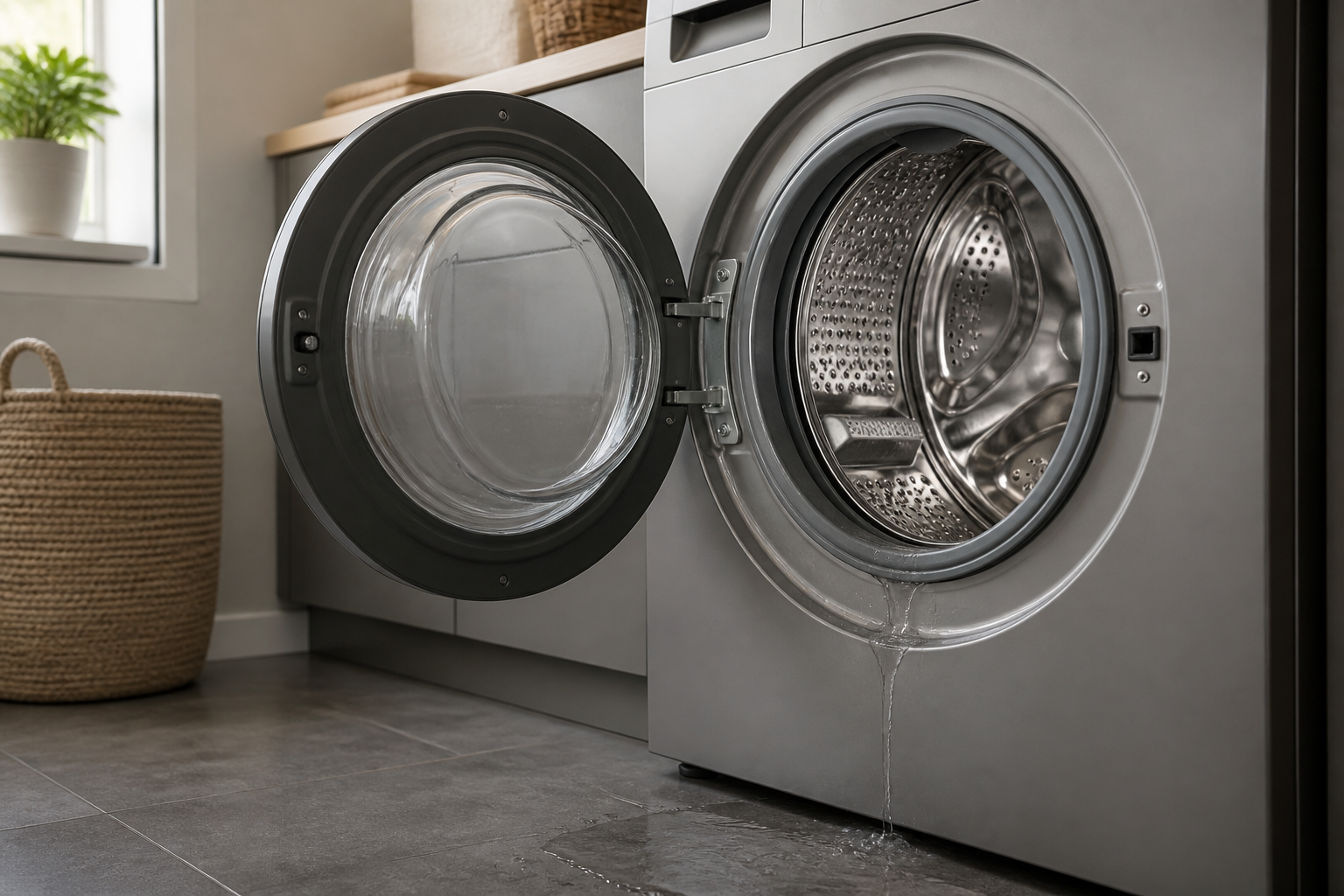
This practical guide to Washing Machines explains what Washing Machines usually means, the safe checks worth trying first, and when specialist repair is the better next step.
Readers looking up Washing Machines usually want a clear sequence: confirm the symptom, rule out simple causes, then decide whether Washing Machines needs a technician.
Use this page as a working checklist for Washing Machines before you order parts or book a visit.
Thermador washer diagnostics and repair — draining, spinning, leaks and balance issues.
What Washing Machines usually means
In most Thermador appliances, Washing Machines points to a control, sensor, airflow, or component issue that should be confirmed against the exact model before parts are replaced.
Start with simple owner-safe checks. If the same fault returns quickly, book a diagnosis instead of repeating temporary resets.
Common symptoms with Washing Machines
Typical signs include interrupted cycles, unusual sounds, error indicators, or performance that no longer matches normal operation.
Likely causes to consider
Restricted airflow, worn seals, blocked filters, failing sensors, and control communication faults are among the most common contributors.
Safe checks before repairing Washing Machines
Confirm power and door/lid closure, clear obvious blockages, clean accessible filters, and retry one standard cycle after a full power reset.
Avoid opening sealed refrigerant circuits, live terminals, or gas connections. Those steps belong to a trained technician.
When to book a specialist
If Washing Machines continues after the safe checks above, a specialist can test the exact component path and prevent unnecessary parts swapping.
Browse our appliance repair services or contact the team to book a visit.
You can also review official guidance on the Thermador Support site while you gather model details.
For more troubleshooting notes, see our repair guides.
Washing Machines FAQs
Why won’t the drum spin?
It can relate to load balance, the drive, or a door-lock fault. We check each.
Is a small leak a big deal?
Yes — pause use to avoid water damage until diagnosed.
Extra repair tips
Write down the full model number before ordering parts. Board and sensor revisions can change which part number is correct.
A single power reset can clear a temporary fault, but repeated returns of the same code usually mean a physical cause remains.
Keep vents and filters clear between visits. Restricted airflow often mimics electrical or sensor failures.
If water, burning smells, or sparking are present, stop using the appliance and arrange a professional inspection.
Good documentation of timing, sounds, and cycle stage helps the technician reproduce the fault faster on arrival.
Using original manufacturer parts and correct torque on fasteners reduces repeat calls after a successful repair.
Not every error needs an immediate part replacement. Measurement and inspection should come before guesswork.
Local water hardness, installation clearances, and usage patterns all influence how quickly issues reappear.
In short: treat Washing Machines as a diagnostic signal, complete the safe checks, and escalate to repair when Washing Machines persists.
Common symptoms
Drum not spinning
Leaks during the cycle
Excessive vibration
Error code and stopped cycle
Safety first Disconnect power and shut off the water supply before inspecting internal parts. Do not run a leaking washer.
Frequently asked questions
It can relate to load balance, the drive, or a door-lock fault. We check each.
Yes — pause use to avoid water damage until diagnosed.
Tell us what’s wrong — we’ll take it from there
Share a few details and we’ll confirm an appointment. Prefer to talk? Call us and we’ll help right away.
Address
1200 Brickell Ave, Suite 400, Miami, FL 33131
Phone
(844) 771-7353
Email
service@example.com
Hours
Mon–Sat: 8:00 AM – 7:00 PM
Service area
Serving Miami, New York, Houston, Los Angeles and San Diego metro areas.
Response time
Same-day and next-day appointments in most areas.
Request your repair
Pick a time that works — we’ll confirm your appointment.